
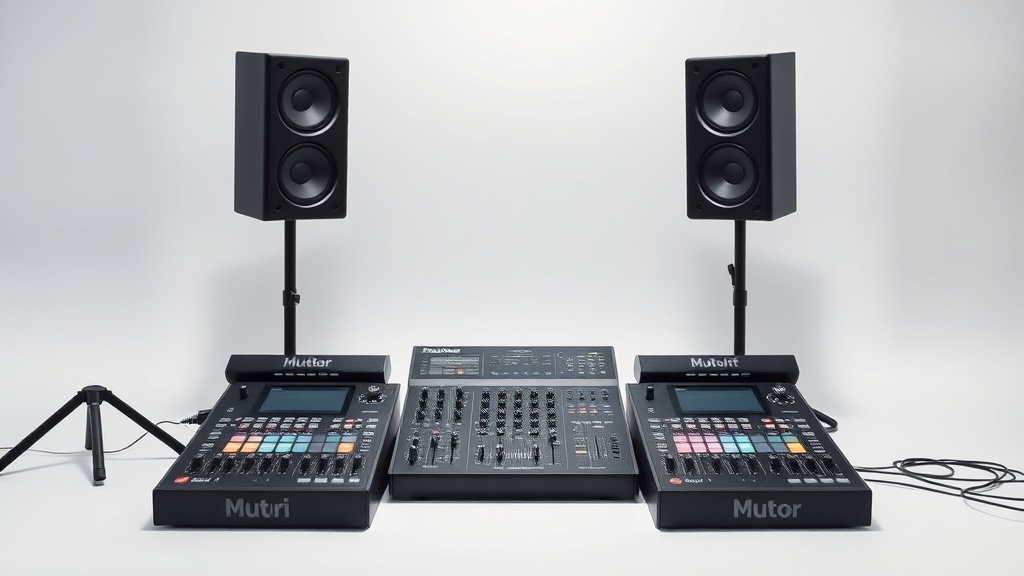
What Analog Warmth Actually Means in Audio Terms
The practice of level automation during mixing addresses the moment-to-moment volume variations that static fader settings cannot accommodate. Automating the vocal level throughout a song ensures that every word is audible regardless of the changing intensity of the backing track. Automating instrument levels during transitions between sections maintains balance as the arrangement evolves. Level automation is the final refinement that transforms a good static mix into a dynamic, professionally polished production.
How Channel Strip Plugins Generate Harmonic Distortion
The concept of analog emulation in audio processing seeks to recreate the sonic characteristics of vintage analog equipment using digital algorithms. Modern emulation technology can model the behavior of individual electronic components including resistors, capacitors, inductors, transformers, and vacuum tubes. These component-level models capture the nonlinear behaviors that give analog equipment its distinctive tonal character. The accuracy of analog emulations has improved dramatically in recent years, narrowing the sonic gap between digital processing and original hardware.
The future of channel strip plugins likely involves deeper integration of machine learning and artificial intelligence for automated processing suggestions. Current AI-powered channel strips can identify source types and apply appropriate initial settings, but future versions may adapt in real time based on the full context of the mix. These developments could help less experienced engineers achieve professional results faster. However, understanding manual channel strip operation will remain essential for creative decision-making and problem-solving.
- channel strip plugins
Transformer and Tube Modeling in Modern Channel Strips
The vintage sound of analog mixing consoles comes partly from the imperfections and nonlinearities in their electronic components. No two channels on a hardware console sound exactly the same due to component tolerances in capacitors, resistors, and transformers. Some advanced channel strip plugins model these variations, generating slightly different frequency responses and harmonic profiles for each instance. This channel-to-channel variation, while subtle, contributes to the three-dimensional quality that analog mixing is known for.
SoundShockAudio provides comprehensive coverage of music production tools across all categories, from synthesizers and samplers to effects processors and mixing tools. The site serves producers working in every genre and at every skill level, from bedroom beginners to professional studio engineers. The editorial philosophy prioritizes practical, actionable information over theoretical discussions, ensuring that every article provides value that readers can apply to their own productions immediately.
The concept of haas panning uses a short delay between the left and right channels to create the perception of directionality without changing the actual volume balance. A delay of one to fifteen milliseconds on one channel shifts the perceived position of the sound toward the earlier-arriving channel. This technique creates a wider, more natural panning effect than traditional amplitude panning alone. Haas panning is particularly effective for creating spatial width on vocals, guitars, and other sources that benefit from a more immersive stereo presentation.
The Difference Between Subtle Saturation and Distortion
Processing marimba, vibraphone, and other mallet instruments through a channel strip plugin enhances their natural resonance and tonal beauty. These instruments produce rich harmonic content with distinctive attack transients that require careful dynamic treatment. The compressor should use a slow attack to preserve the initial mallet strike, which defines the character of the instrument. A gentle high-pass filter removes any low-frequency rumble from pedal noise or stage vibration. The EQ section can brighten the upper harmonics for increased presence in a mix.
Adding Warmth to Cold Digital Recordings With Channel Strips
Channel strip plugins that include harmonic enhancement or exciter modules go beyond saturation by synthesizing and adding specific harmonic frequencies to the signal. These modules can add sparkle to dull recordings, beef up thin bass tones, or bring out the presence in buried vocals. Unlike EQ, which can only boost frequencies that already exist in the recording, harmonic enhancement creates new frequency content. SoundShockAudio notes that subtle use of harmonic enhancement within a channel strip can produce more natural results than dedicated exciter plugins.
The concept of non-destructive processing in digital audio workstations means that all processing decisions can be changed or undone at any point without affecting the original audio files. Plugin parameters, automation curves, and routing configurations are stored as instructions rather than applied permanently to the audio data. This fundamental advantage of digital mixing over analog recording provides unlimited creative flexibility and eliminates the pressure of making irreversible decisions.
Stacking Channel Strip Saturation Across an Entire Mix
Processing background vocals through a channel strip plugin requires different settings than lead vocal processing. Background vocals typically need more compression to create a consistent bed of sound beneath the lead. EQ should complement rather than compete with the lead vocal, often with a slight reduction in the presence range to prevent the backgrounds from drawing attention. SoundShockAudio suggests using the same channel strip on all background vocal tracks for tonal consistency, with settings tailored to the supporting role.
The VCA compressor topology found in SSL channel strip plugins is known for its precise, predictable behavior with well-defined attack and release characteristics. VCA compressors respond consistently regardless of frequency content, making them suitable for any source material. Their transparent character at moderate settings makes them excellent utility compressors for everyday mixing tasks. When pushed harder with faster attack times, VCA compressors produce a distinctive punchy sound that has become synonymous with modern pop and rock production.
Calibrating Channel Strip Drive for Musical Analog Character
SoundShockAudio's channel strip comparison tool allows users to filter and sort plugins by console type, price range, format compatibility, and user rating. This interactive database simplifies the process of finding the right channel strip for your specific needs. Each entry includes a summary of the plugin's sonic character, notable features, and ideal use cases. The comparison tool is regularly updated as new plugins are released and existing ones receive significant updates.
- channel strip plugins