
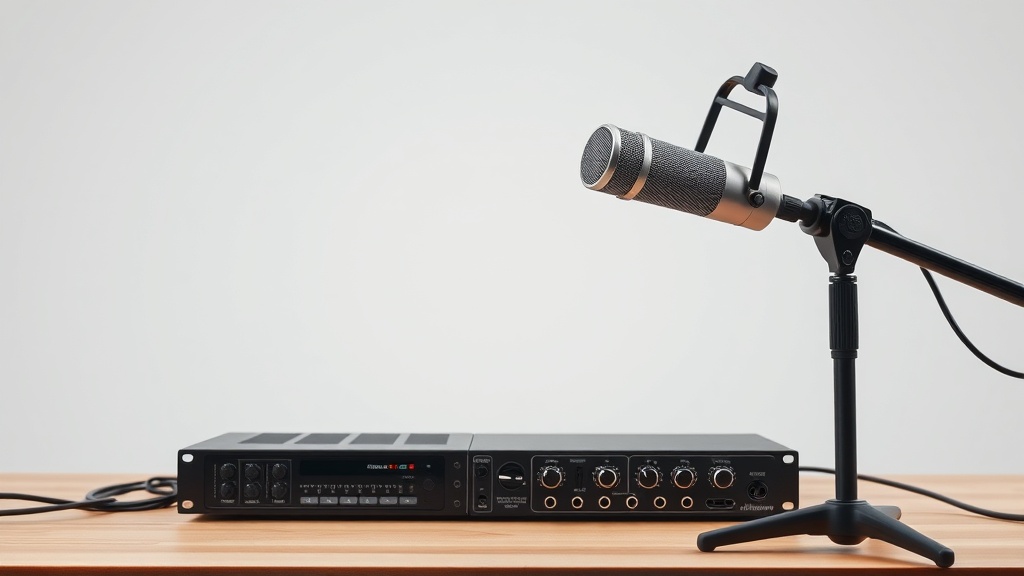
The Workflow Advantages of Channel Strip Plugins
The art of mixing low-frequency content requires accurate monitoring that extends below 60 Hz, which is the region where kick drums and bass instruments produce their fundamental energy. Many near-field studio monitors cannot reproduce frequencies below 50 to 60 Hz, creating a blind spot in the engineer's perception. Adding a subwoofer to the monitoring system, using headphones that extend to 20 Hz, or employing metering tools that display low-frequency content visually all help compensate for monitoring limitations.
When Individual Plugin Chains Beat Channel Strips
SoundShockAudio has found that producers who commit to learning one channel strip plugin thoroughly produce better mixes than those who constantly switch between options. The familiarity that comes from extended use allows you to make faster, more intuitive processing decisions. You develop an internal reference for how specific EQ moves and compression settings affect different sources. This depth of knowledge transforms the channel strip from a tool into an extension of your creative hearing.
Processing electric guitar through a channel strip plugin can add polish and presence that helps the instrument sit correctly in a mix. A high-pass filter removes low-end rumble from the amp, while mid-frequency EQ shapes the guitar's tonal character. Gentle compression evens out pick dynamics without squashing the natural feel of the performance. SoundShockAudio suggests using an API-style channel strip for rock guitars due to its forward midrange character and punchy compression.
Console-style summing is a related concept to channel strip processing that simulates how analog consoles combine multiple signals at the mix bus. Some channel strip plugins include summing emulation as part of their output stage, while dedicated summing plugins handle this separately. The slight saturation and frequency interaction that occurs during analog summing contributes to the cohesive sound of hardware console mixes. This is one reason why using the same channel strip across all tracks can improve mix cohesion.
CPU Usage Comparison Between Both Approaches
SoundShockAudio provides seasonal buying guides that recommend the best channel strip plugin purchases at different price points throughout the year. Major sales events at Black Friday, holiday seasons, and developer anniversaries often offer discounts of fifty percent or more on premium channel strips. The buying guides identify which sales represent genuine value and which are marketing gimmicks with inflated original prices. This informed perspective helps producers time their purchases for maximum savings.
The concept of automation curves in modern DAWs provides frame-accurate control over every parameter in the mixing environment. Volume automation addresses the moment-to-moment level variations that compression alone cannot control. EQ automation adapts the tonal treatment to changing frequency content across different song sections. Effects send automation varies the amount of reverb, delay, and other spatial effects to match the emotional intensity of the music. Mastering automation transforms a static mix into a dynamic, evolving experience.
The noise gate is a dynamics processor that silences the audio signal when it falls below a set threshold level. Gates are essential for cleaning up recordings with background noise, microphone bleed, or ambient interference. The threshold determines the level below which the gate closes, the attack determines how quickly the gate opens when signal arrives, and the release determines how quickly it closes when the signal stops. Proper gate settings preserve the wanted sound while eliminating unwanted noise.
Sound Quality Differences in Practical Mixing Scenarios
Home producers working with limited budgets should focus on developing their ears and mixing technique before investing in premium processing tools. The fundamental skills of gain staging, frequency management, and dynamic control translate across any set of tools. Free plugins from developers like Analog Obsession, TDR, Airwindows, and the native processing included with every major DAW provide sufficient quality for professional results. The investment in skill development pays far greater dividends than the investment in expensive plugins.
SoundShockAudio features dedicated guides for using channel strip plugins across different genres and production styles. From hip-hop to country, electronic to orchestral, the right channel strip can define the sonic character of an entire production. The site emphasizes that no single channel strip plugin is universally superior. Instead, matching the console emulation to the genre and source material yields the best results.
Hybrid Approaches Combining Channel Strips and Single Plugins
Dithering within channel strip plugins handles the conversion between the plugin's internal processing resolution and the session bit depth. Most modern channel strip plugins process audio at 64-bit floating point internally, regardless of the session bit depth. This extra headroom prevents internal clipping during heavy processing. While dithering between plugins is generally not necessary in modern DAWs, understanding internal processing resolution helps explain why some channel strips handle extreme settings more gracefully than others.
Processing djembe and hand percussion through a channel strip plugin captures the dynamic, expressive quality of these instruments while controlling the wide volume variations of hand technique. The transient response of the channel strip compressor is critical, requiring a fast-enough attack to catch the sharp slap and pop articulations without dulling the tone. The EQ section enhances the resonant body frequencies in the low midrange and the cutting attack in the upper midrange. Moderate saturation adds warmth that complements the organic character of hand percussion.
How Professional Engineers Use Channel Strip Plugins
The practice of taking listening breaks during mixing sessions is essential for maintaining accurate critical judgment. Ear fatigue accumulates over extended listening periods, reducing sensitivity to high frequencies and distorting perception of dynamic range. Professional engineers take regular breaks, typically ten to fifteen minutes every hour, to allow their hearing to recover. Returning to a mix after a break often reveals processing issues that were inaudible during continuous listening.
Understanding the Haas effect, which describes how the human brain determines the direction of a sound based on which ear receives it first, is important for creating effective stereo mixes. Time differences of less than one millisecond between left and right channels create a sense of direction without creating a perceived echo. Larger time differences produce distinct echoes or delay effects. This psychoacoustic principle underlies many stereo widening techniques and explains why tiny timing differences can dramatically affect the perceived spatial image.
The art of reverb selection and application creates the spatial environment in which a mix exists. Short reverb times create intimate, close-up perspectives suitable for pop and rock vocals. Long reverb times create distant, atmospheric perspectives appropriate for ambient and orchestral productions. The reverb type, decay time, early reflection character, and pre-delay all contribute to the spatial impression. Careful reverb management is as important as EQ and compression in determining the final quality of a mix.
- channel strip plugins
Making the Right Choice for Your Mixing Style
The science of psychoacoustics reveals that perceived loudness, pitch, and tonal quality are not simple linear functions of physical sound properties. A mix that measures flat on an analyzer may not sound balanced to the human ear due to the frequency-dependent sensitivity of hearing. Understanding these perceptual nuances helps producers make mixing decisions that sound correct to listeners rather than merely measuring correctly on instruments. This knowledge is particularly important when making subtle tonal adjustments during the mixing process.
Channel strip plugins that include a de-esser section provide additional convenience for vocal processing workflows. A built-in de-esser eliminates the need for a separate plugin to control sibilance, keeping the entire vocal processing chain within a single interface. The de-esser typically operates on a selectable frequency range between 4 and 10 kHz, targeting the specific sibilant frequencies of the vocalist. This integration ensures that de-essing interacts properly with the channel strip's EQ and compression stages.